
Introduction
Deep cavities can cause serious problems if not treated early. Sometimes, a simple filling is not enough to fix the damage. In these cases, advanced dental cavity care is needed. You may wonder about the best treatment for deep cavities or what to do when fillings don’t work. This blog will explain what deep cavities are, their symptoms, and the steps you should take for proper care.
What Are Deep Cavities?
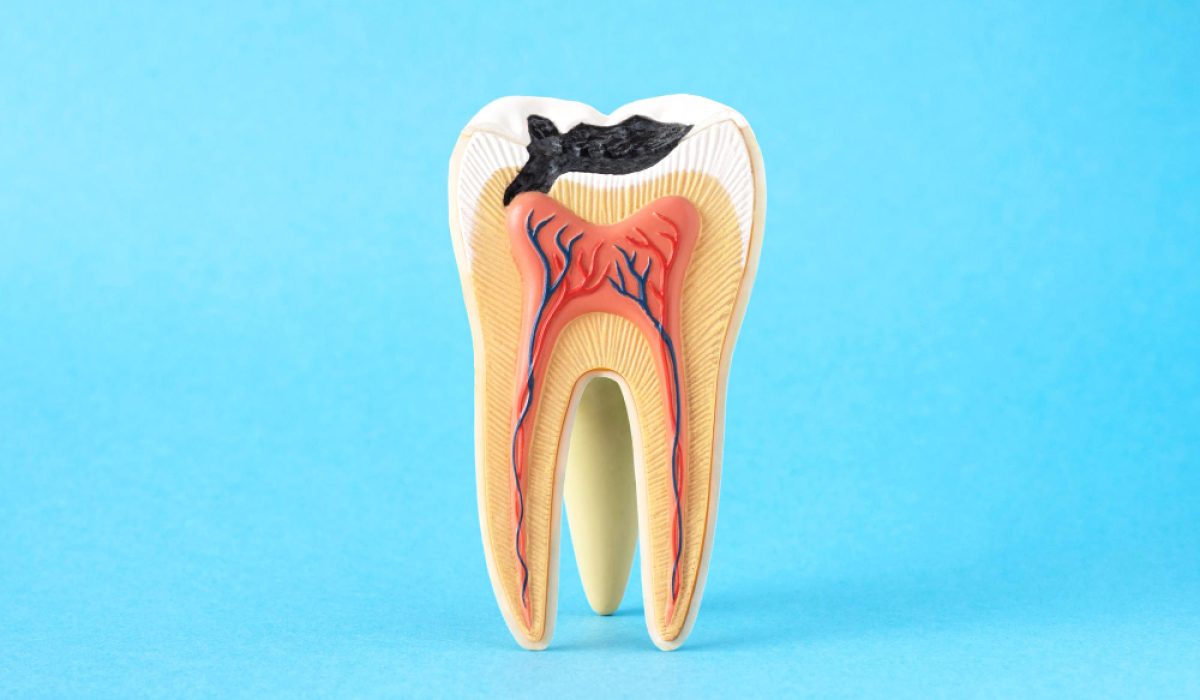
A cavity is a hole in your tooth caused by decay. When a cavity goes deep, it reaches the inner layers of the tooth. This area is called the pulp, which holds nerves and blood vessels. Deep cavities can cause pain and infection if not treated quickly. Unlike small cavities, deep ones often need more than a simple filling.
Symptoms and Warning Signs
It is important to spot deep cavities early. While some signs are easy to notice, others may be mild at first. However, as the cavity grows, symptoms can get worse. Watch for these warning signs:
If you notice any of these symptoms, you should see a dentist soon. Early care can prevent bigger problems.
Why Simple Fillings May Not Be Enough
For small cavities, a dentist can remove the decay and fill the hole. But with deep cavities, the damage often reaches the pulp. In these cases, a simple filling may not stop the pain or infection. Also, the tooth may be too weak to hold a filling. Because of this, advanced treatments are needed to save the tooth and stop the spread of decay.
Diagnosis and Dental Evaluation
First, your dentist will check your teeth and ask about your symptoms. Next, they may take X-rays to see how deep the cavity is. X-rays help the dentist find out if the pulp is affected or if there is an infection. After the exam, your dentist will suggest the best treatment for your deep cavity. This careful evaluation helps protect your overall dental health.
Advanced Treatment Options
When a filling is not enough, your dentist may suggest other treatments. Here are some common options:
Each treatment has its own steps and benefits. Your dentist will explain which option is best for you.
Prevention Tips and Oral Hygiene Guidance
Good oral care can help prevent deep cavities. Even after treatment, you should protect your teeth. Try these tips:
With these habits, you can lower your risk of future cavities.
When to See a Dentist
Sometimes, people wait too long before seeing a dentist. However, early care is key. You should visit a dentist if you have:
Even if you have no pain, regular dental visits can catch problems early. The World Health Organization and the CDC both recommend routine dental care for everyone.
Conclusion
Deep cavities need special care. While simple fillings work for small cavities, advanced dental cavity care is often needed for deeper ones. If you notice any warning signs, do not wait. Consult a dental specialist for personalized advice and treatment. Early action can save your tooth and protect your smile.